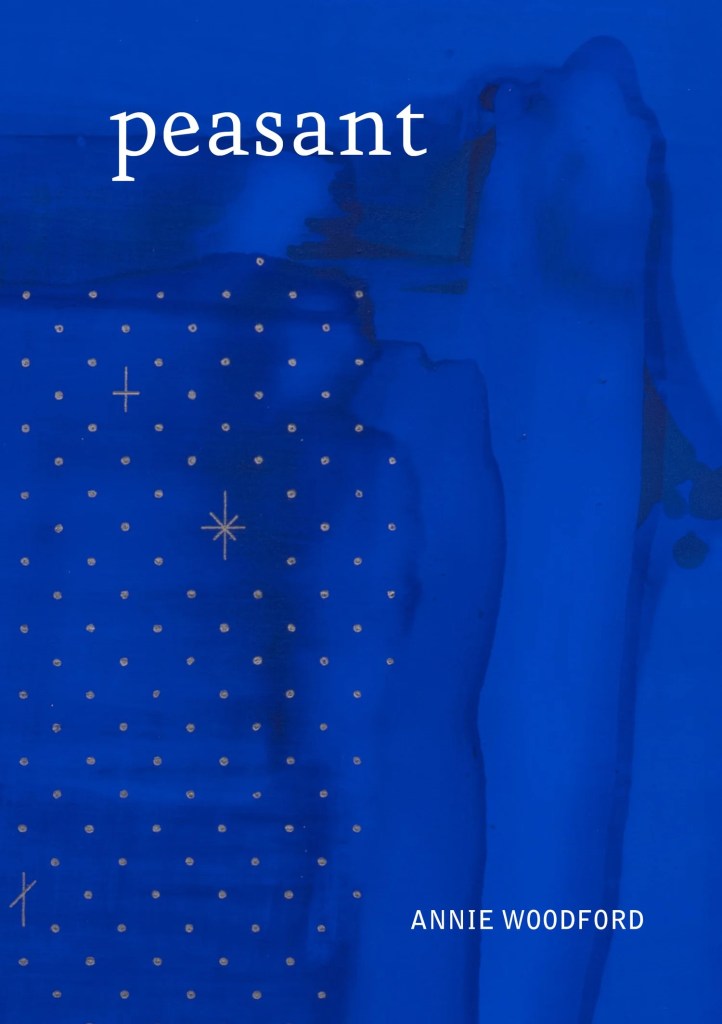
The first full week of January came in with a roar and a mountain of work. I already feel a bit behind in my goal to read more in 2026. But one title I can add to my reading list is Annie Woodford’snewest collection, Peasant. Peasant is a beautiful collection of work. But that’s not a surprise. Every poem I’ve ever read by Annie has been written with tenderness and a genuine love of the people and places she writes about, especially the natural spaces of our region, the fields and forests and everything that exists there. That is the kingdom that Annie writes about, and I’m always here for it.
Peasant is published by Pulley Press. I met Pulley Press founder and editor, Frances McCue, a few years ago when we were stationed in the same neighborhood on the AWP convention floor. I remember learning about Pulley Press then and their dedication to publishing writers and writing from rural places. And if you’re a writer from a rural place or just love to read about rural people and their spaces, you should definitely check them out.
Here is one of my favorite poems from Peasant.
A Song for the Daughters of Europa Annie Woodford
Every time we pass that pasture I point out the bull to my daughter, who was never taught to know a bull
and therefore to spot one, when needed, in a field of cows. But once you’ve seen one, they will always stand out—
the massive neck, the muscled shoulders more dangerous than any female Angus. I name the bull for Granny, who named them
for me and believed in the red myth and in getting over the nearest fence fast as you can. I know now
this was her only way, the lesson pressed in by the little stones of her eyes. I see the girl she must have been,
her hay-straw hair fine, like mine. and barely holding a rag curl, her canvas sneakers well-washed
but still stained by farmwork. She is out in the dawn, an hour before school, where she is the fastest
at math. She’s calling down the milk cow, the copper penny leaves of the locust tree, her footprints left in frost.
Once she grabbed my hand just as she grabbed the electric fence and, when the shock passed through her and into me, she laughed.
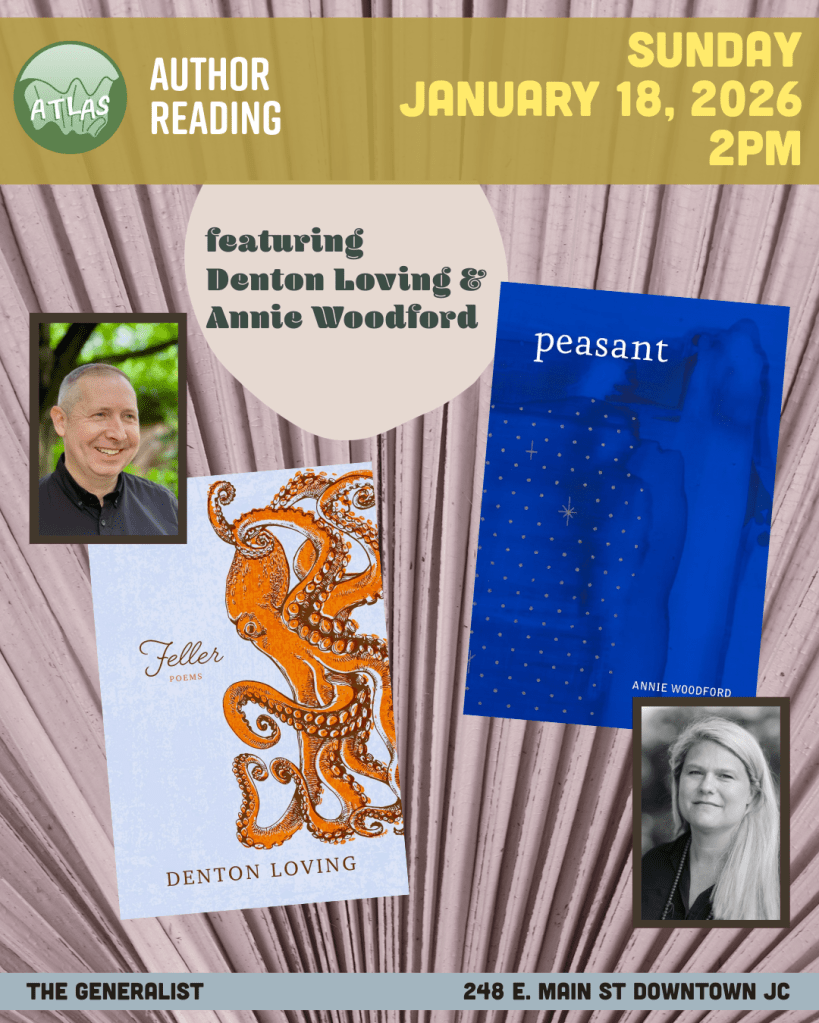
I feel so fortunate to be able to read with Annie next week at Atlas Books inside The Generalist. If you live in or near Johnson City, Tennessee, I invite you to come out on Sunday afternoon, January 18th. Our reading will start at 2:00 p.m. Huge thanks to Davis Shoulders for making this reading happen! I’m really looking forward to getting back to Johnson City, which has an amazing literary community, and it will be so much fun to read with Annie.
Last week, as I was taking stock of the past year, I was disappointed to realize how few books I had read in 2025. I could only count 17 total books, far fewer than usual. I won’t go into the excuses for why I read less than usual. But I know that reading helps me process information, and it inspires me to be a better writer, editor and teacher. It’s also still one of the few things in life that I find purely enjoyable. So one of my goals for 2026 is simply to read more. I shy away from setting new year resolutions, but I do like to articulate some goals for where to place my energy in the coming year. And so far, so good. In the last week, I’ve dedicated time to reading some of the books I collected along my 2025 travels.
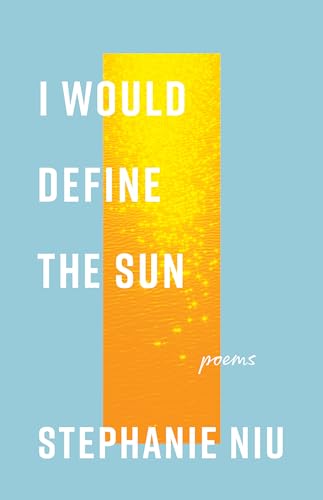
The first book I read in 2026 was Stephanie Niu’sI Would Define the Sun, which received the Vanderbilt University Literary Prize. In the book’s foreword, Major Jackson writes, “Occasionally, one encounters a voice so attuned to the groundswell of their being that their poems arrive like luxuriant explorations of language and feeling. Such is the work of Stephanie Niu and her debut collection of poetry.” I agree.
I met Stephanie briefly last October when we were both readers at the Decatur Book Festival. You can watch Stephanie’s reading from that day on YouTube. Stephanie’s poems about her family are some of my favorite from the multiple threads that she weaves together in I Would Define the Sun. So it was especially lovely to meet Stephanie’s parents at her reading, and to see how proud they are of her and her work. One of my favorite poems from the book, “Information Worker at the End of the World,” was originally published in Ecotone.
Information Worker at the End of the World Stephanie Niu
When the ship to Mars has already departed, and my wealthiest friends have plots in New Zealand for their children, or have no children, what box do I put my treasure in? I have one waterproof bag that clips at the top. Every month, money drips into my retirement account. You think the world will still be around when you’re sixty-five? I don’t know what it means to survive. I’ve learned all I can about the Svalbard seed vault. I used to spend time on the names of birds until the warblers disappeared. The earth is more burned out than my coworkers. The mantle is deathly dry. My doctor tells me I ought to moisturize. Weekly, my milk expires. I panic when I flip to a new month on my free Audubon calendar. There is too much time and not enough of it. I’m a bad steward caught red-eyed. I board flights, order takeout high, forget to recycle. Some days I wake and resolve to arm myself for a righteous fight. I will make coffee grounds into face scrub, eat kombucha bacteria raw. Other days I wake already late to my first meeting, say hello brightly though the laptop screen is all my gunked-up eyes can see. A blue glow sized to a day, an hour, an act of speech. Everything else beyond me.
~
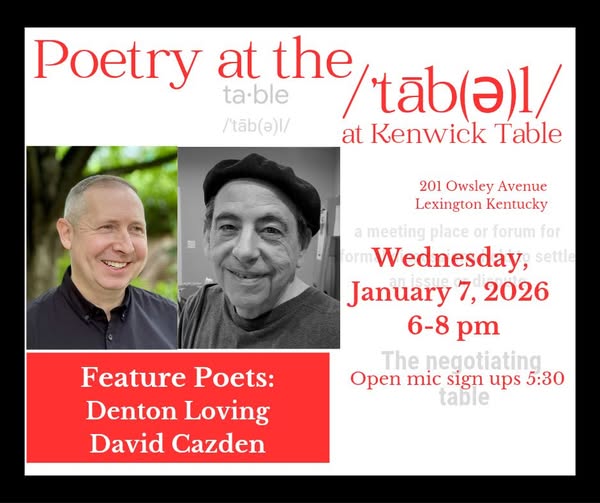
If you live in or around Lexington, Kentucky, I invite you to come out to Poetry at the Table on Wednesday, January 7th. I’ll be reading with the very talented David Cazden, and I’m looking forward to hearing others read during the open mic portion of the evening. This is a hugely popular event, held monthly at Kenwick Table in Lexington and hosted by B. Elizabeth Beck, and I’m so glad to have the chance to read some poems from Feller to this audience.
Earlier this month at the Kentucky Book Festival, I met Manny Grimaldi, who gifted me with a beautiful copy of Yearling: A Poetry Journal for Working Writers. Yearling is an annual publication that operates under the umbrella of Workhorse of Lexington, which in itself is a cool, wide-ranging operation that supports publishing and building community for writers. Manny is Yearling’s managing editor, and he agreed to answer a few questions about the journal that will be interesting and helpful for those of you looking for good publications where you can submit your writing.
DL: It was great to meet you at the Kentucky Book Festival, and to find out about Yearling. How long has Yearling been publishing? How long have you served as managing editor?
MG: It was a pleasure conversing with you, Denton. Yearling: A Poetry Journal for Working Writers is an offshoot of a poetry feedback program through Workhorse of Lexington. I approached our editor-in-chief for work, and he instructed I take helm of the feedback program where folks sent in work only for response. Soon after in 2021, we launched Yearling with that ethos.
DL: The fact that Yearling provides feedback to submitters really sets the journal apart from so many others. As an editor, I know that requires a lot of work, but it’s also such a benefit to submitters. As managing editor, do you still provide that feedback yourself?
MG: I do provide the feedback, and a resounding yes to what you are stating, this is difficult work. But I do this with the helpful impressions of team readers. Never in the community of artists, whether actors, poets, editors, musicians, or novelists do I claim to do and develop in a vacuum. We help each other. In the end, I re-read each poem, draw together our conversations, solidify my impressions, and compose meaningful feedback. I read much gratitude for the deep reads from our authors, and some encounters with poets create avenues to their outstanding revisions.
DL: Yearling is a journal dedicated strictly for poetry. Are there any specific forms or styles that you’re especially looking to publishing in Yearling?
MG: As managing editor, I focus upon this principle: Does the work move me to forget I am reading a poem? A sonnet can do that. A villanelle can transcend form. I also hold anyone can do that, Denton. Provided they are telling the truth, and telling it well! Short answer: any style, any length, any form, we can print—we enjoy a book format now. We take everything from single poem submissions, up to six poem. Currently, in this issue, I hope to cull the heart of Kentucky writers and our surrounds as much as possible. That said, everything is read, considered, and published if it sings.
DL: If I understand correctly, then Yearling publishes in December of every year, and acceptances for that issue are sent out by October 1st. Is Yearling currently accepting submissions for the 2026 issue?
MG: We process submissions all year. Yes. Yearling prints December of every year, once a year. In practice, we have closed a year’s volume with the requisite number of poets, which is 40, as soon as April. We respond generally, schedules permitting, as promptly as possible.
DL: In addition to being an editor, you have also published multiple books of your own writing. Where can readers find your work, and how can they connect with you?
Mothman and Finding are full length. ex libris is a satirical chapbook released by anonymus scriptus.Mothman connects people with a window into family and personal demons. Finding is about romance, reveling in poetic forms, from the historical persona poem, to the broken sonnet, to tanka.
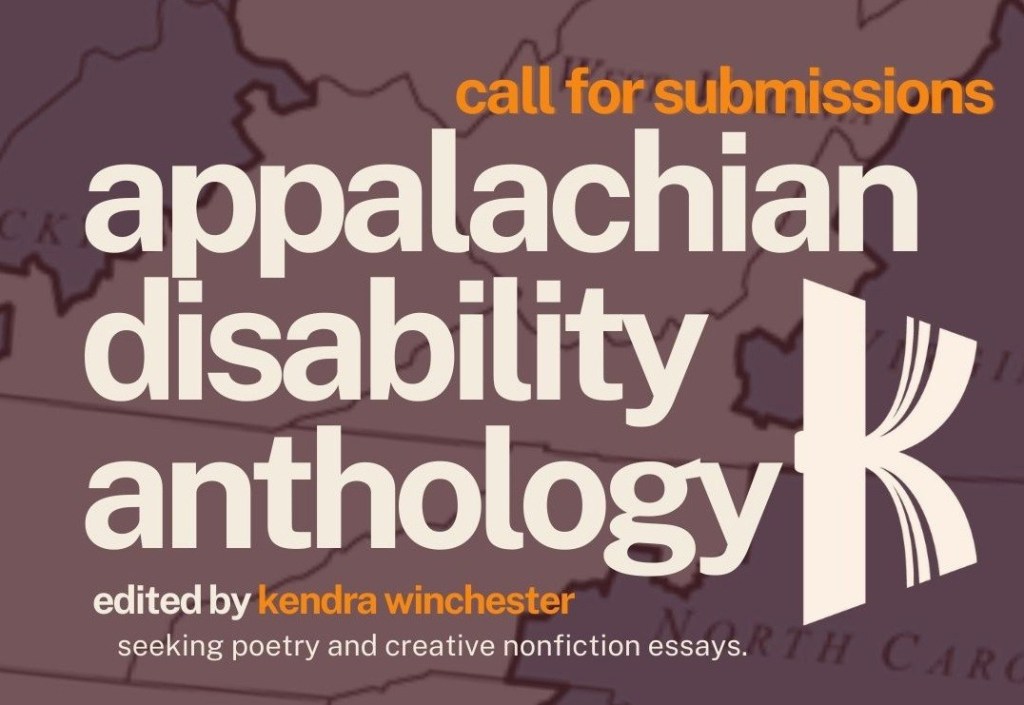
Many readers of this blog will be familiar with Kendra Winchester’s name from her work as the host of the popular Read Appalachia podcast, which celebrates Appalachian literature and writing. Kendra is also a Contributing Editor for Book Riot where she writes about audiobooks and disability literature. Kendra and I had a chance to spend some time together in person this past summer during the Appalachian Writers’ Workshop. One day while we were having lunch, Kendra started to tell me about her new project to compile and edit an anthology of work by disabled writers from Appalachia. The dining hall that day was so loud with conversation and laughter that we struggled to hear each other. So Kendra agreed to answer some questions over email about this anthology, which is actively accepting submissions.
DL: I was excited to learn that you will be editing an anthology of work by Appalachians writing about disability. How did the idea of this anthology form?
KW: Far too often, disabled people are treated like we’re invisible. When we are mentioned, we’re featured as inspirations, side characters, or burdens for the nondisabled people around us. Sometimes the very existence of our disability makes other people uncomfortable.
When I first read Disability Visibility, edited by Alice Wong, I didn’t realize how rarely I saw my disabled self in books. Reading stories about people like me was something I never knew I needed. This led me to seeking out as many books by disabled authors as I could get my hands on. Little did I know that there was a whole disability community waiting for me. We have our own culture and history. People just have to realize that it’s there.
In the vein of Disability Visibility, I wanted to bring together Appalachian writers to tell their own stories of what it’s like being disabled in Appalachia. With poetry being such a vibrant tradition in the region, I also wanted to include poets, and my goodness, so many Appalachian poets have shown up in such a big way. My hope is that this anthology will be the first of many anthologies of disabled writers from the region sharing their work with the world. The more voices, the better.
Sometimes people ask me if their disability “counts,” but we’re using the big umbrella for disability. So anyone who is disabled, chronically ill, deaf, or neurodivergent is most welcome to submit.
DL: Do people with disabilities in our region face challenges that are unusual or different from other regions?
KW: Appalachia has higher rates of disability than the national average. Some disabled people have had to completely leave the region to seek treatment. Some disabled people can still live in the region but have to travel back and forth to urban centers to see specialists. And others are disabled because they worked in major Appalachian industries, such as coal mines and paper mills. Whatever our experience, we all have stories to tell.
DL: What genres are you seeking for this anthology, and how long should submissions be?
KW: I’m looking for creative nonfiction essays—around 2,500 – 3,000 words—that center the writer’s experience with living with disability in Appalachia. I’m also looking for poetry—3-5 poems—informed by personal experiences with disability in the region. I also welcome previously published work.
DL: Are you only looking for work from published, experienced writers?
KW: I’m looking for writers of all experience levels! The anthology includes experienced, prize-winning writers and people who have never had a published piece before.
DL: How can writers submit to your anthology, or reach out to you if they have questions?
KW: To submit their work or if anyone has questions, they can reach me at Kendra (at) readappalachia.com. I’m happy to answer any questions that they may have.
DL: When we were at the Appalachian Writers Workshop this past summer, you read a wonderful piece about growing up with a disability. Where can readers find that essay or any of your other recent work?
KW: Owning It: Our Disabled Childhoods in Our Own Words just came out in the U.S. this past August. It includes dozens of essays by disabled adults who were also disabled as kids. I was so honored to be included with writers like Ilya Kaminsky, Imani Barbarin, Ashley Harris Whaley, Rebekah Taussig, and Carly Findlay. I also write for Book Riot and have an occasional newsletter called.
Many thanks to Kendra Winchester for this important work and for answering my questions. You can find out more about Kendra and all of her projects by following her on Instagram or Twitter, or by subscribing to her occasional newsletter called Winchester Ave.
Today, August 5th, is the official publication day for Feller, my new book of poems from Mercer University Press that explores themes of connection, longing, and the pursuit of a fully lived life. I’ve been writing these poems for about 12 years, so I’m really excited to finally be able to send this book out into the world, and to share it with you.
There’s a short window of time surrounding a book’s release where every action is amplified. If you’re inclined to help me help Feller reach more readers, here are a few things you can do.
1) Please buy the book. You can order Feller directly from Mercer University Press or from online retailers like Amazon, Barnes & Noble and Bookshop.org. Tertulia is offering a 25% discount if you order through their site by August 7th. You don’t even have to create an account. Just enter the code FELLER at checkout.
Feller is also available at great independent bookstores, such as City Lights, Parnassus Books, Novel Memphis, and others. If your local bookstore doesn’t already have copies of Feller in stock, please ask them to order it.
2) Pleaserate and review Feller or add it to your “Want to Read” shelf on Goodreads or any similar platforms such as StoryGraph, BookWyrm, or LibraryThing.
Remember that you don’t have to purchase a book from Amazon in order to rate and review it there. There are legitimate reasons not to support Amazon, but reviews there do make a difference. Reviews don’t need to be lengthy. Any short, simple message to recommend the book is appreciated.
3) Post about the book on social media and tag me. Photos of the book (with your pet or your baby, on a beach or a park bench, etc.) are especially great to share! You can find me on Facebook, Instagram and LinkedIn.
4) Come to events and invite me to read. I’ll be traveling a lot this fall. Check out my calendar of events to see if I’ll be near you. More dates are in the works and will be added soon. But I’m also still looking for opportunities to connect with more readers. If you host a book club or reading series, I’d love the opportunity to come talk about Feller. Let’s talk about getting something scheduled.
5) Teach it: If you’re a teacher and would like to teach from Feller, let me know. I’d love to connect with you and your students by visiting your classroom either in person or virtually.
PHOTO COURTESY OF KARI GUNTER-SEYMOUR.
In the days leading to publication, Feller has ranked as high as #9 on Amazon’s new releases chart for poetry, which feels remarkable! And look at these excepts from longer blurbs from three writers I deeply admire.
“Loving makes lyric sense of complex issues in poem after poem in Feller, with his special blend of eco-poetics and earthly reason.” — Elaine Sexton, Site Specific “At once timely and timeless, Feller is a superbly striking and essential book.” — Matt W. Miller, Tender the River “Reading Feller is a transformative, joyful, loneliness-alleviating experience.” — Annie Woodford, Where You Come From Is Gone
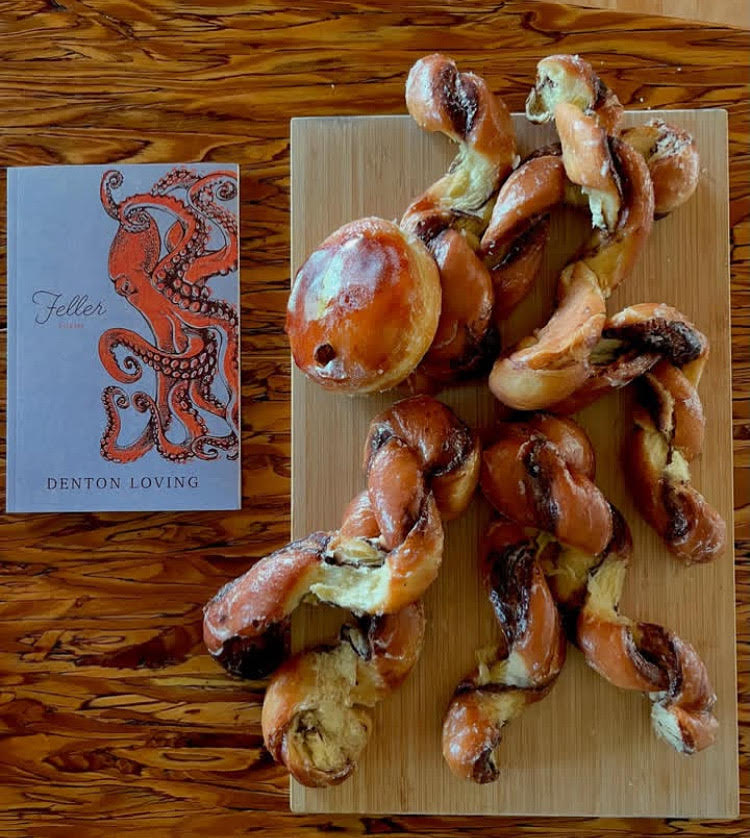
And my friend Davin Malasarn—who is a one of the most artistic and imaginative people I know—created one of his famous book-and-donut pairings to celebrate the launch.
One of the most exciting things about publishing a book is to see it interpreted and reflected through the eyes of readers. The other exciting thing is to connect with all of you. I can’t wait. Thanks for all you’ve done and what you still might do!
Friends, I’ve been really excited for today to come! After what feels like a long wait, I can finally share the cover for my new collection of poems, Feller. But first, here’s one last teaser:
To view the entire image, head over to Electric Literature who very graciously is hosting the official cover reveal. I’m incredibly grateful for Electric Lit’s support and help in launching this new book.
I’m also grateful to Mary-Frances and Jim Burt of Burt & Burt who designed this cover image. It’s really striking and hits the exact right emotional key. I’m always grateful to Mercer University Press, especially my editor Marc Jolley, for believing in my work in general and Feller in particular. And huge thanks to Kelly March for coordinating this cover reveal in the first place. She’s amazing!
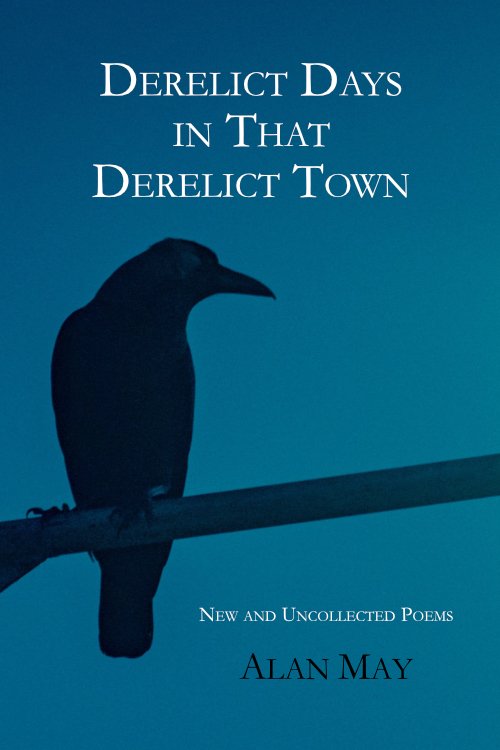
Feller is a book that has been a long time in the making. Some of these pieces took over ten years to transform from first draft to finished poem. There will be more opportunities later to talk about the individual poems and what the collection is about. And as always, I’m more excited to hear what the poems and the book mean to you. So I hope you’ll read Feller. The official pub date is August 5th, 2025, but if you want to hear a few of the new poems, you can listen to this episode of The Beat, a poetry podcast hosted by Alan May.
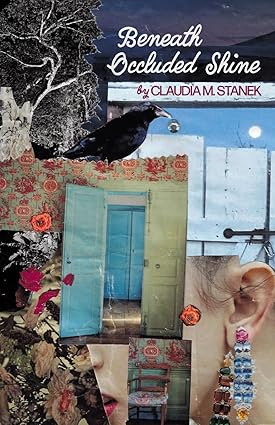
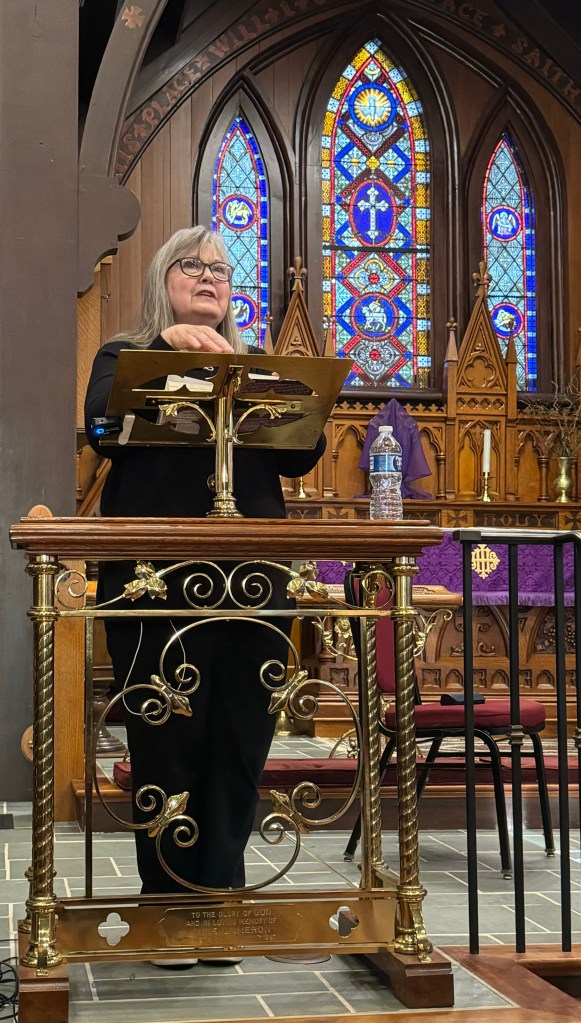
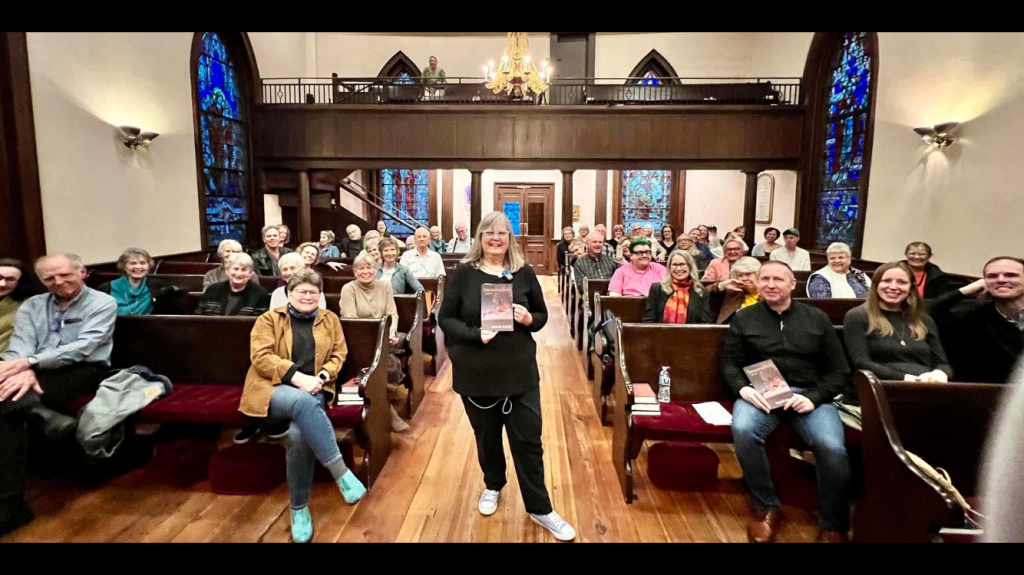
Last week, I was invited to be part of the launch of Claudia Stanek’s poetry chapbook, Beneath Occluded Shine. This is a short collection of 16 powerful poems all written in response to poems from Pablo Neruda’s Book of Questions. Neruda’s questions are essentially unanswerable. Claudia doesn’t attempt to answer Neruda although responding to a question with a question is sometimes its own answer. But I prefer to read these poems as wrestling with all of the deepest parts of our shared humanity.
The book launch took place virtually as part of Jules’ Poetry Playhouse, hosted by Jules Nyquist and John Roche, who are based out of New Mexico. In one of the most unique reading events I’ve ever been part of, Claudia invited Jules and John, as well as poets Catherine Faurot, Gail Hosking and me to alternate reading all of the poems in Beneath Occluded Shine. The result was something that felt meditative if not downright spiritual.
I don’t ever remember a past April where I could visibly see poetry celebrated so often and in so many ways. Maybe one of the things we couldn’t predict about living in a dystopian world is how people would turn to poetry. Regardless, it was beautiful.
For my part, I had the privilege of reading poems to the monthly book discussion group, All Over the Page, at Lawson McGhee Library in Knoxville, Tennessee. I read poems from Tamp, as well as some new poems from a new book that will coming out in August.
Yeah, I sort of just buried the lede there, didn’t I? But that’s right. I have a new collection of poems coming out in August from Mercer University Press. It’s called Feller. I just saw the cover for the first time this week, and I love it so much. I can’t wait to share it with you all very soon.
Last week, I had the privilege to be part of the book launch for Darnell Arnoult’s new collection of poems, Incantations. This collection is a mesmerizing group of poems that celebrates language in unique but powerful ways. Many of the poems came out of a period of grief, but the poems are also celebratory and full of hope. They speak simultaneously to the personal and the political, addressing some of the most significant challenges of our times.
The launch took place in Hillsborough, North Carolina, at St. Matthew’s Episcopal Church as part of their Faith and Arts Series. Darnell gave a beautiful reading of her new work. The church was filled, and Purple Crow Books sold all of their copies after the reading. Alison Weiner accompanied her on the piano. And I had double duty that night, first introducing Darnell and then following up with an on-stage discussion about her work. The on-stage discussion was especially fun, and I hope an audio recording of it will be available at a later time. Until then, I want to share my introduction. It was such an honor to be part of welcoming this new book into the world, as well as to celebrate my good friend. I may have also added a little good-natured ribbing.
Welcome, and thank you all for coming out tonight to celebrate our friend Darnell Arnoult and her newest collection of poems, Incantations!
If you are here tonight, there is a good chance that you already know Darnell. Before I get too personal, allow me to properly impress you with a few of Darnell’s professional accomplishments.
Darnell is the author of the novel Sufficient Grace, and two previous collections of poems: Galaxie Wagon and What Travels With Us, and she has published stories, poems and essays in a variety of journals and anthologies.
She is the recipient of the Southern Indie Booksellers Alliance Poetry Book of the Year Award, the Weatherford Award for Appalachian Literature, the Thomas and Lillie D. Chaffin Award, and the Mary Frances Hobson Medal for Arts and Letters. In 2007 she was named Tennessee Writer of the Year by the Tennessee Writers Alliance. She holds degrees from The University of Memphis, North Carolina State University, and The University of North Carolina at Chapel Hill.
If you know Darnell, it’s likely because you have studied with Darnell, perhaps at the Table Rock Writers Workshop, the John C. Campbell Folk School, the Appalachian Writers Workshop, the Tennessee Mountain Writers annual conference, through Learning Events, the Mountain Heritage Literary Festival, or perhaps even as an undergraduate student from Lincoln Memorial University where Darnell served as Writer-in-Residence from 2010 to 2020.
Lincoln Memorial University is the place where Darnell’s and my lives began to intertwine. We co-directed the Mountain Heritage Literary Festival. And we also created and shared editing responsibilities for the literary journal drafthorse, a journal dedicated to writing about labor and occupation. Darnell and I worked together, often getting each other in and out of trouble, and we became wonderful friends in the process.
I cannot list all of the pieces of good fortune that have come to me because of Darnell, mostly because Darnell told me to do something—often something I didn’t want to do or didn’t have faith that I could do. There are too many of these instances to list, but I will tell you that when I decided to apply to MFA programs, Darnell decided I would go to Bennington College’s low residency program in Vermont. I, on the other hand, lacked the ability to imagine being accepted in that program. I didn’t even have any intention of trying. But if you know Darnell, you know that once she’s made up her mind, you might as well agree or get out of the way. It is no exaggeration to tell you that the only reason I applied to Bennington was to shut Darnell up. As she seemed to know in advance, my life changed in innumerable ways because of that program, all for the better.
Darnell is the person who has encouraged me the most as a writer and certainly as a poet. Darnell probably knows my poetry better than anyone, and she has probably influenced my poetry more than anyone. A lot of my early poems originated in workshops Darnell taught. She was the first person who thought I had enough poetry to form my first book, and she largely arranged the order of that book, which in itself was another incredible lesson in learning how to shape individual pieces into a larger narrative. She has seen so many first and early drafts that it’s a wonder she still opens my emails.
In the 10 years that Darnell taught at LMU and lived in Cumberland Gap, Tennessee, my life was richer, and a lot more exciting. In her absence, there are fewer people asking me if I have seen Darnell, if I have any idea where Darnell is, if I can find her, please, help, she’s not answering her phone, she never answers her phone! Why doesn’t she ever answer her phone? There are fewer reasons to rush to the emergency room. There are fewer visits from the fire department. In short, there is much less excitement, and my life is poorer for her absence.
To answer the question as to why Darnell rarely ever answers her phone, I can report that she may have turned the ringer off two days earlier and can’t find the phone, she may have left her phone at home or at someone else’s home, or any number of other places along the way, the battery may be dead, or more likely, she is just already on the other line with someone else who needs to talk to her just as badly as you may need to talk to her. The number of people who rely on Darnell is uncountable. The number of people whose lives have been enriched by Darnell is legion.
I would be remiss to not acknowledge that the 10 years in which Darnell lived in Cumberland Gap were not completely happy. For Darnell, I know that time period is framed by her husband William’s recurring illnesses, his battle with cancer, and his passing in 2020. The poems in Incantations were born from that grief. The deepest kinds of grief. Grief that comes, as she would describe, from worlds burning, from death that dances and glides, from widowhood with its slaughtered and emptied heart.
And yet, within these poems, Darnell also rejoices in the curative properties of language, how it can bewitch and rescue us from despair. When you look at the beautiful cover of Darnell’s new book, you will see an image of fire and light bursting into the darkness. As that image suggests, these poems tell us that there is salvation in the darkness. There is salvation in these poems that are also charms for remembrance, charms for protection and rebirth, and always charms for love, no matter how it may shift its shape.
Join me in welcoming Darnell to the stage as we celebrate her new collection of poems, Incantations.
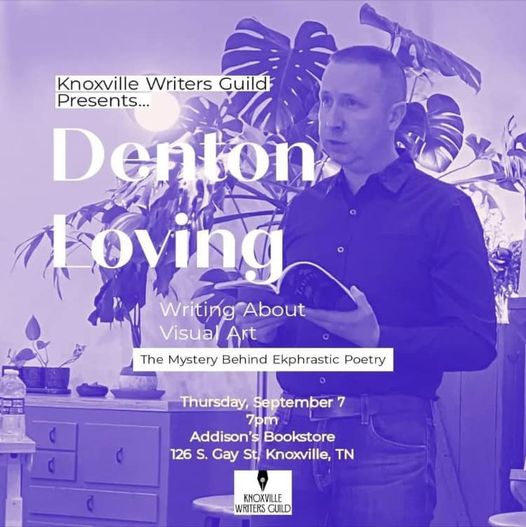
If you’re in the greater Knoxville area on Thursday, September 7th, I hope you’ll join me at the monthly meeting of the Knoxville Writers Guild at Addison’s Bookstore, located at 126 S. Gay St., in Knoxville. The meeting begins at 7:00 p.m.
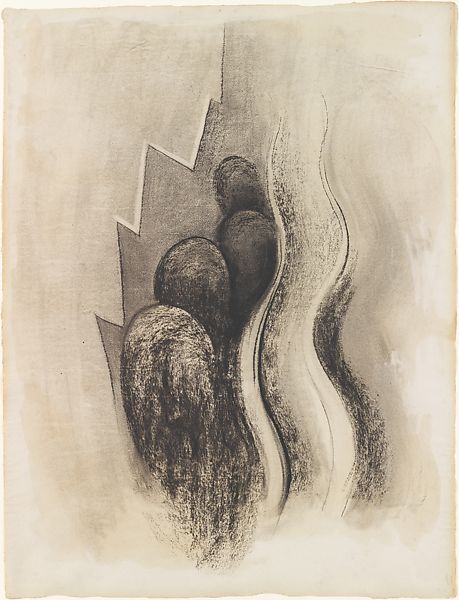
I’ll be talking about ekphrastic writing or ekphrasis. The word “ekphrasis” comes to us from the Greek where it means “description.” If you still aren’t sure what ekphrastic writing is, then I’ll briefly define it as writing that vividly describes a pre-existing work of art. I’ll share some of my favorite examples of ekphrasis, and we’ll even generate new work using some of the fantastic art on display at Addison’s.
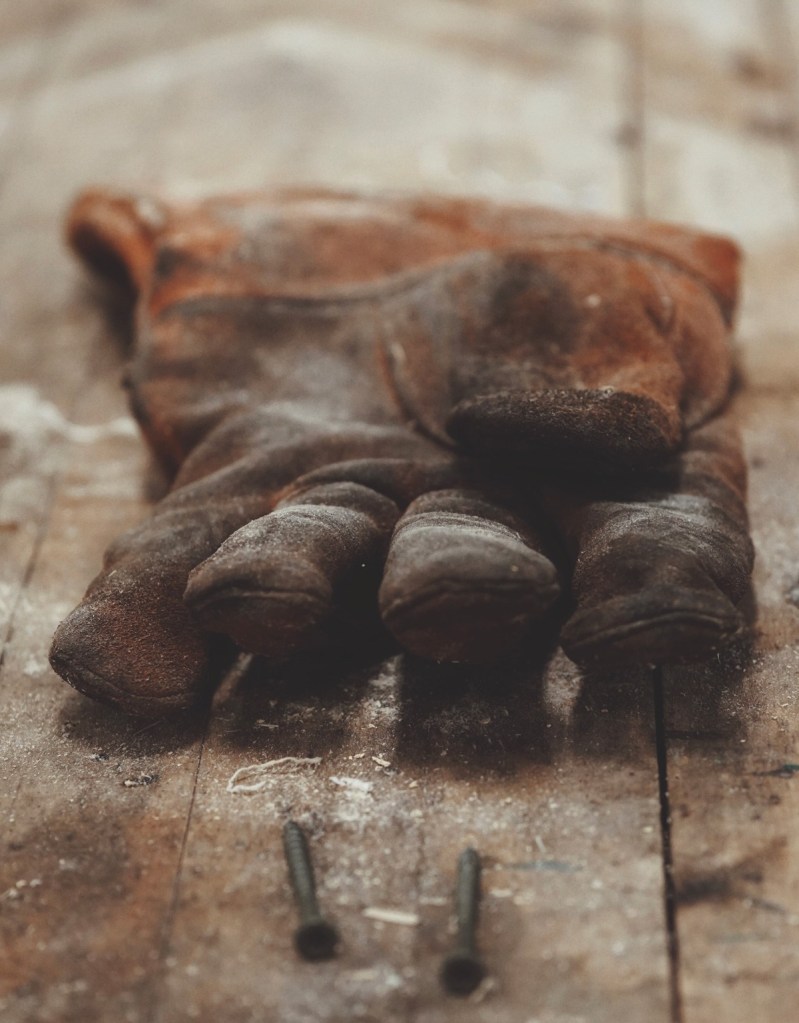
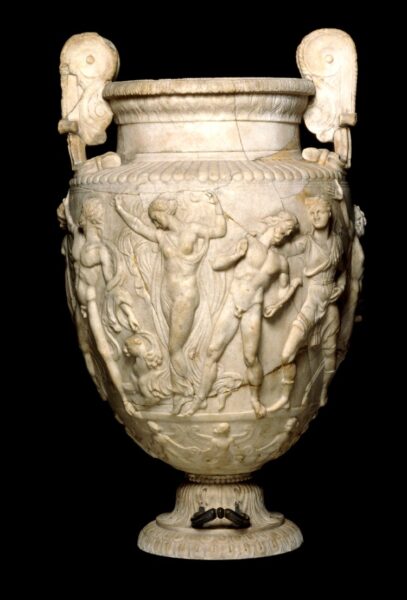
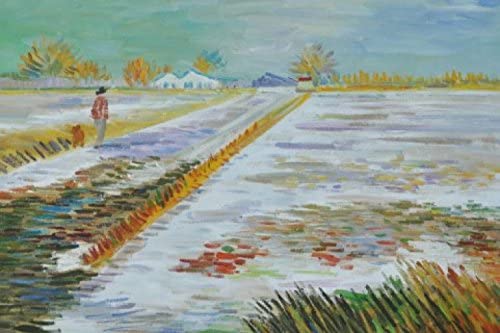
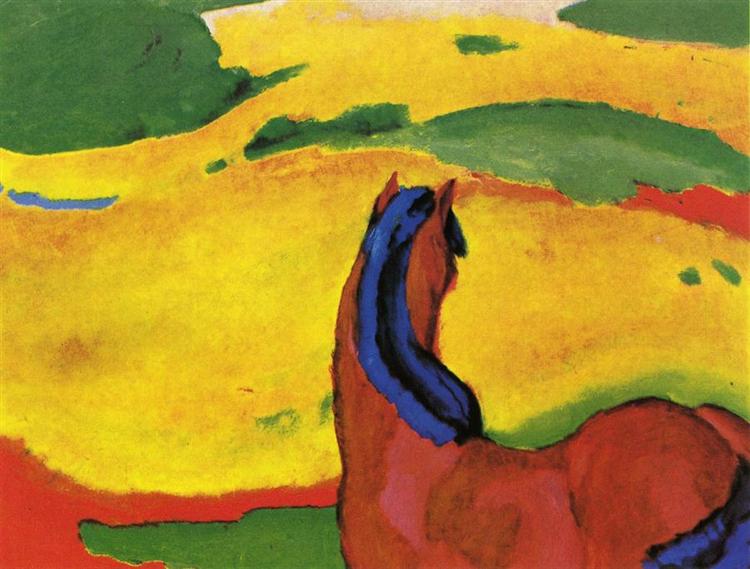
Here are some of the images I’ll be talking about in this session.
.
.
.
.
.
.
.
.
If you live too far away to be in Knoxville on Thursday, I hope you’ll use one of these images or an image of your own in your writing practice this week. If you come up with something you especially like, please send it to me. If you need more guidance, check out my conversation with Julia Wendell about her ekphrastic poem “Horse in the Landscape.”











 Denton Loving